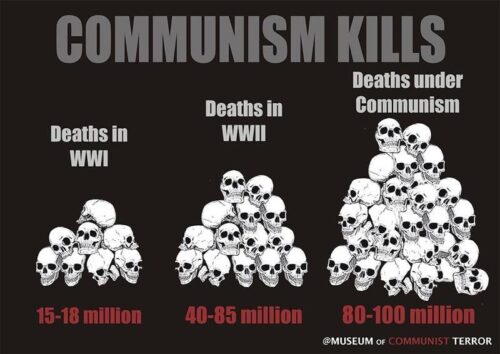
The death tolls associated with twentieth-century communist and Marxist-Leninist regimes are a subject of ongoing historical research because total numbers include a mix of direct political executions, labor camp mortality, and large-scale state-engineered famines, meaning historical estimates often exist in ranges. Based on historical data and modern archival consensus, the deadliest regime was in China from 1949 to the present, where estimates range from 40 million to 80 million deaths, primarily under Mao Zedong’s rule. The highest single driver of mortality was the Great Leap Forward from 1958 to 1962, an aggressive agricultural collectivization campaign that caused a man-made famine resulting in 30 to 45 million deaths, alongside millions more killed during violent land reforms, political purges, and the Cultural Revolution. Next is the Soviet Union from 1917 to 1991, with estimates ranging from 15 million to 30 million deaths, peaking under Joseph Stalin from 1922 to 1953. Key events include the Holodomor famine in Ukraine from 1932 to 1933, the Great Purge executions of political and military rivals, and the lethal conditions within the Gulag forced labor camp system.
In North Korea from 1948 to the present, spanning three generations of the Kim regime, estimates hover around 2 million deaths. This total includes hundreds of thousands who died in political prison camps and executions, alongside over 1 million deaths from a severe state-engineered famine in the mid-to-late 1990s caused by economic mismanagement and food distribution blockades. In Cambodia from 1975 to 1979 under Pol Pot and the Khmer Rouge, between 1.7 and 2 million people died. While lower in absolute numbers than China or the USSR, this was the deadliest regime in history relative to population size, wiping out roughly 21 to 25 percent of the entire country’s population in just under four years through the Killing Fields executions, forced labor, and deliberate starvation. In Ethiopia from 1974 to 1991 under the Marxist military junta known as the Derg, between 1.5 and 1.7 million people died, a total composed of the Red Terror political purges, mass forced relocations, and a devastating famine in the mid-1980s that was exacerbated and weaponized by government military strategies against rebel regions.
In Afghanistan from 1978 to 1989 under the People’s Democratic Party of Afghanistan and the subsequent Soviet occupation, between 1 million and 1.5 million people died. Following a communist coup in 1978, the regime executed tens of thousands of political, religious, and intellectual opponents, and the subsequent decade-long war saw widespread civilian casualties from aerial bombardments and scorched-earth tactics. In Vietnam from 1945 to the present, approximately 1 million people died, including thousands executed during the radical agrarian land reforms of the 1950s in the north, war-related democide, and tens of thousands who perished due to the brutal conditions in post-war re-education camps or while attempting to flee the country as boat people. In the Eastern Bloc from 1945 to 1989, which includes Soviet satellite states like Poland, East Germany, Romania, Hungary, Czechoslovakia, Bulgaria, Albania, and Yugoslavia, there was a combined total of roughly 1 million deaths spanning post-World War II political purges, the suppression of uprisings like Hungary in 1956, border wall killings, and severe penal labor systems. Finally, in Latin America from 1959 to the present, primarily in Cuba under the Castro regime alongside figures from Nicaragua under the Sandinistas, roughly 150,000 people died, with the vast majority occurring in Cuba through revolutionary firing squads, extrajudicial assassinations, deaths in political prisons, and thousands of rafters who drowned attempting to escape the island by sea.